What’s the Difference Between THC and THCA?
If you’ve ever browsed a dispensary menu or scrolled through cannabis product listings online, you’ve almost certainly spotted two confusingly similar abbreviations: THC and THCA. They look nearly identical, they come from the same plant, and they’re often discussed in the same breath — yet they are fundamentally different compounds with very different effects on your body. So, what’s the difference between THC and THCA, and why does it even matter?
The short answer: one gets you high, and one doesn’t — at least not on its own. But the longer answer is far more fascinating, and understanding it can completely change how you shop for, consume, and think about cannabis. Whether you’re a seasoned enthusiast or a curious newcomer, this guide breaks down everything you need to know.
THC vs THCA: Quick-Reference Comparison
Before we dive deep, here’s a side-by-side snapshot of the two compounds:
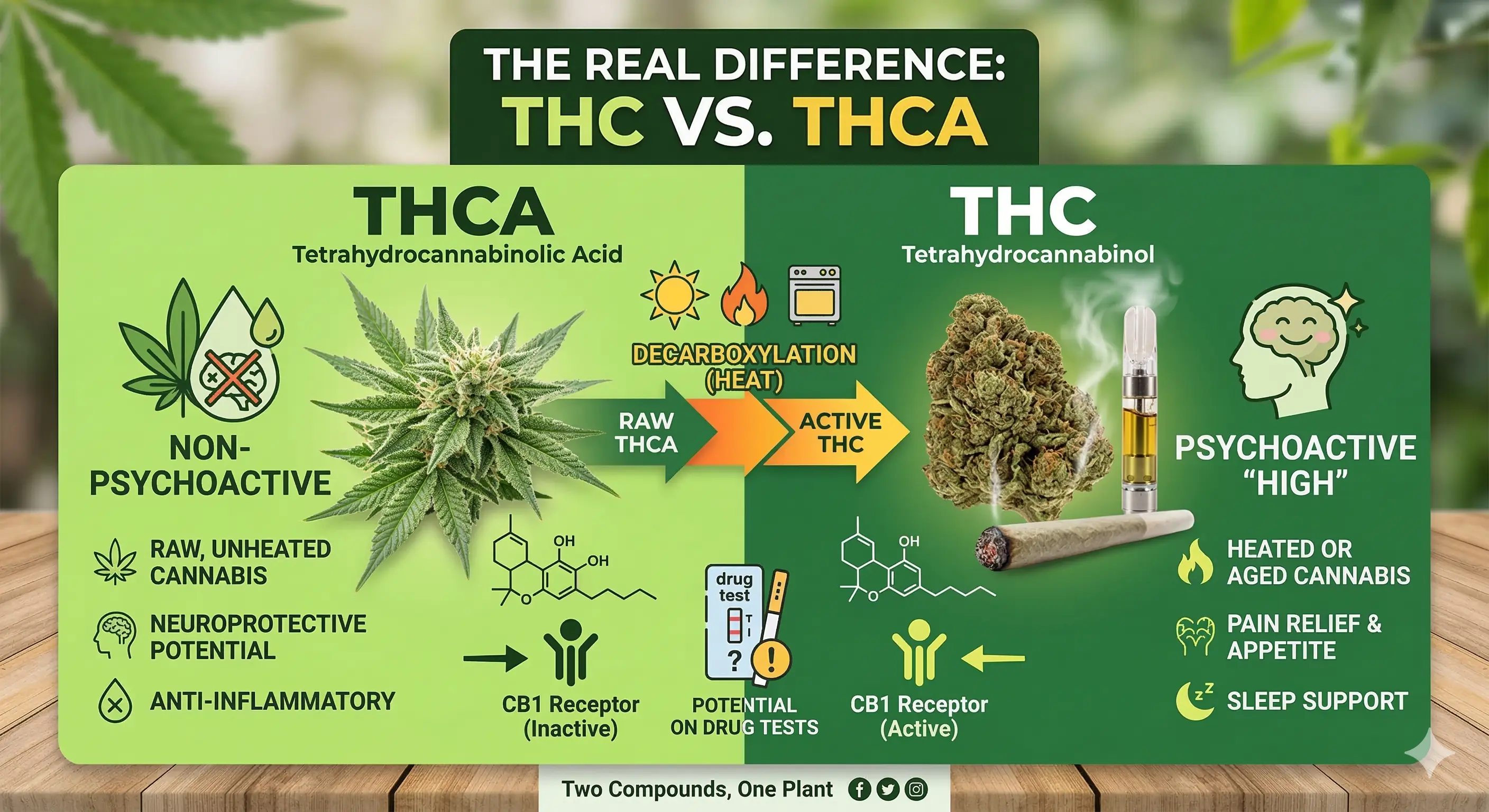
| Category | THCA | THC |
|---|---|---|
| Full Name | Tetrahydrocannabinolic Acid | Tetrahydrocannabinol |
| Psychoactive? | No (raw form) | Yes |
| Found In | Raw, unheated cannabis | Heated or aged cannabis |
| Legal Status | Grey area (varies by state) | Federally illegal; legal in some states |
| How to Activate | Apply heat (decarboxylation) | Already active |
| Potential Benefits | Anti-inflammatory, neuroprotective | Pain relief, appetite, sleep |
Now let’s unpack each of these differences in detail.
What Is THCA? The Raw Compound in Every Cannabis Plant
THCA — short for tetrahydrocannabinolic acid — is the naturally occurring, non-psychoactive precursor to THC. It’s produced directly by the cannabis plant through a series of enzymatic reactions, and it’s actually the dominant cannabinoid in freshly harvested, unprocessed cannabis flower.
| 🌿 Key Insight: That label on your cannabis flower saying “28% THC”? In most cases, it’s actually 28% THCA. True THC only forms once heat is applied. |
|---|
The extra “A” in THCA stands for acid — specifically a carboxyl group attached to the molecule. This carboxyl group is the critical structural difference that prevents THCA from binding to the CB1 receptors in your brain’s endocannabinoid system. No CB1 binding means no psychoactive high. In its raw state, THCA is physiologically inert in terms of intoxication.
THCA is found in its highest concentrations in live and freshly dried cannabis plants. It begins to slowly convert to THC when exposed to light, heat, or simply the passage of time — a process known as decarboxylation.
What Is THC? The Psychoactive Cannabinoid Explained
THC — delta-9-tetrahydrocannabinol — is the compound most people associate with cannabis. It’s the primary psychoactive ingredient responsible for the “high,” including sensations of euphoria, relaxation, altered perception of time, heightened sensory experiences, and increased appetite.
Unlike THCA, THC has a molecular structure that fits neatly into the CB1 and CB2 receptors of the endocannabinoid system — particularly the CB1 receptors concentrated in the brain. When THC binds to these receptors, it triggers a cascade of neurological effects that define the cannabis experience.
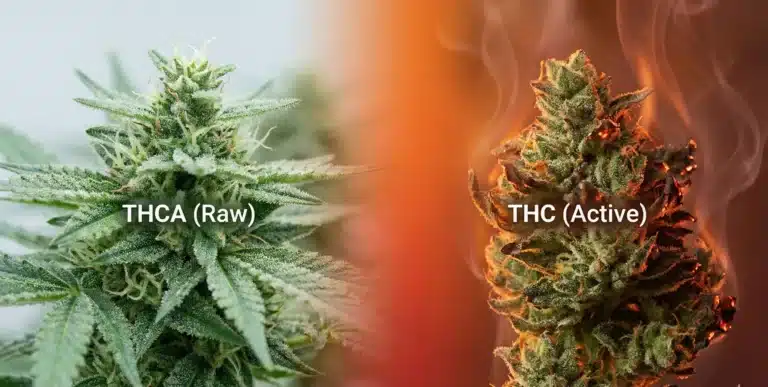
THC is what you get when THCA is heated. Whether through smoking, vaping, or cooking cannabis into edibles, the application of heat strips away that carboxyl group, transforming THCA into the fully active, intoxicating THC molecule.
Does THCA Get You High? Unpacking the Psychoactivity Question
This is one of the most searched questions in the cannabis space — and the answer is nuanced.
In its raw, unheated form: No. THCA does not produce a high. You could eat raw cannabis flower or drink fresh cannabis juice all day long and not experience any intoxicating effects from the THCA alone. Its molecular structure physically prevents it from triggering the psychoactive response.
However — and this is crucial — if you smoke, vape, or heat THCA in any way, it converts to THC and will absolutely get you high. This is why THCA products have created both excitement and legal controversy in recent years. Vendors have marketed THCA hemp flower as a legal product because it technically doesn’t contain THC at the point of sale. But once a consumer ignites it, the THCA converts and the product behaves exactly like traditional cannabis.
| ⚠️ Legal Note: THCA occupies a legal grey zone. While hemp-derived THCA products may be sold legally in some states under the 2018 Farm Bill, laws vary widely. Always verify the legal status of THCA products in your state before purchasing. |
|---|
THCA Decarboxylation: How THCA Transforms Into THC
Decarboxylation is the chemical process that makes cannabis psychoactive. The word sounds intimidating, but the concept is simple: apply heat, remove a carboxyl group (CO₂), and THCA becomes THC.
How Decarboxylation Happens
There are several ways this transformation occurs:
Smoking or Vaping: The fastest method. The high heat from a flame or vaporizer instantly converts THCA to THC as you inhale.
Oven Decarbing: Used when making edibles or tinctures at home. Cannabis is typically baked at around 220–250°F (104–121°C) for 30–45 minutes to convert THCA without burning off the THC.
Sun Exposure & Aging: Slow, passive decarboxylation happens naturally over time. This is why older, poorly stored cannabis can lose potency — the THCA has already converted and the THC has subsequently degraded into CBN.
Understanding decarboxylation is particularly valuable if you make your own cannabis products. Skipping this step when preparing edibles is one of the most common mistakes novice home cooks make — resulting in a batch that delivers none of the expected effects.
THCA Benefits: What Does the Research Say?
While the psychoactive properties of THC get most of the headlines, THCA has been attracting growing scientific interest for its own potential therapeutic properties — particularly because it offers those benefits without intoxication.
Here’s what early research and anecdotal evidence suggest about THCA:
Anti-Inflammatory Properties
Several preclinical studies suggest THCA may have potent anti-inflammatory effects. This has generated interest in its potential use for conditions like arthritis, inflammatory bowel disease, and other inflammation-driven disorders.
Neuroprotective Potential
Some researchers have investigated THCA as a neuroprotective compound. Early studies point to potential applications for neurodegenerative diseases, though this research is still in its infancy and far more clinical work is needed.
Nausea and Appetite Regulation
Similar to THC, THCA may help regulate nausea and stimulate appetite — without the accompanying high. This makes it a potentially appealing option for patients who want symptom relief but need to remain functional throughout the day.
| 📋 Important Disclaimer: THCA research is still in early stages. The potential benefits described above are based on preliminary studies, not established medical guidance. Always consult a healthcare professional before using cannabis products for health-related purposes. |
|---|
THC Benefits: The Well-Documented Therapeutic Effects
THC has a considerably longer research history than THCA, and its therapeutic potential is better documented. Some of the most well-established and researched applications include:
Pain Management: THC is widely used by medical cannabis patients for chronic pain relief, particularly neuropathic pain that doesn’t respond well to conventional treatments.
Sleep Support: Many users report that THC, particularly indica-dominant strains, helps reduce the time it takes to fall asleep and improves overall sleep quality.
Anxiety and Stress Relief: At moderate doses, THC can produce significant reductions in anxiety and stress. At high doses, however, it can paradoxically increase anxiety in some users.
Appetite Stimulation: THC’s ability to trigger the “munchies” has real medical applications for patients with conditions like cancer or HIV/AIDS who struggle with appetite loss and weight maintenance.
Nausea Reduction: THC-based medications like dronabinol (Marinol) have been FDA-approved specifically for chemotherapy-induced nausea and vomiting.
THC vs THCA in Cannabis Products: What to Look For
Understanding the THCA vs THC distinction has real practical implications when you’re shopping for cannabis products.
Flower and Pre-Rolls
Cannabis flower sold at licensed dispensaries almost always lists THCA percentage rather than THC. This is because the flower hasn’t been decarboxylated yet — the THCA converts to THC the moment you light it. A flower with 25% THCA will deliver approximately 21–22% THC once smoked (accounting for some loss during combustion).
Edibles
Edibles are made from decarboxylated cannabis, meaning the THCA has already been converted to THC during the cooking process. When you see “10mg THC” on an edible label, that is active THC you’re consuming — not THCA.
Tinctures and Oils
These can vary. Some are made with decarboxylated cannabis and contain active THC. Others, particularly raw cannabis juices or unheated preparations, may contain THCA. Always read the product label carefully.
THCA Diamonds and Concentrates
THCA crystalline (often called “diamonds”) is one of the purest forms of THCA available. In its solid form, it contains no active THC — but dab it with heat and the conversion is nearly instantaneous.
How Are THC and THCA Related? The Bigger Picture
It helps to think of THCA and THC less as two separate cannabinoids and more as two stages of the same molecule’s lifecycle. Every cannabis plant begins its journey producing THCA. It’s only through intervention — heat, time, or light — that the conversion to THC takes place.
This relationship is why the cannabis plant is, in many ways, smarter than we give it credit for. By producing THCA instead of THC, the plant avoids the psychoactive effects that might otherwise alter the behavior of animals and insects that interact with it. The intoxicating properties of THC only emerge when humans (or other external forces) apply heat.
This is also part of why raw cannabis consumption — think smoothies made with fresh cannabis leaves or stems — is a growing trend in wellness circles. Consumers can ingest significant quantities of THCA without experiencing intoxication, potentially accessing the compound’s therapeutic properties while staying clear-headed.
Frequently Asked Questions About THC vs THCA
Will THCA Show Up on a Drug Test?
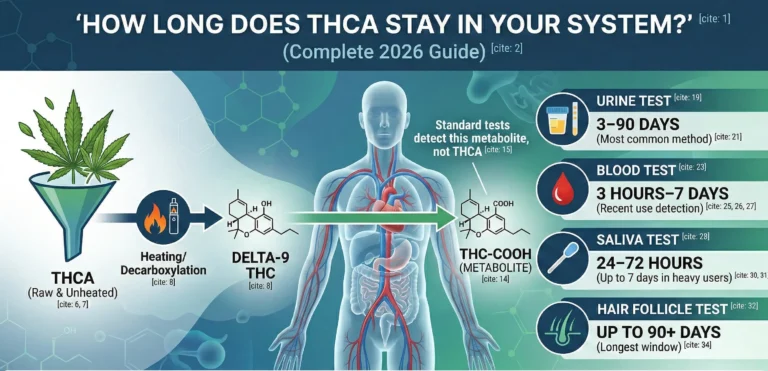
Yes — this is a critical point many consumers overlook. Drug tests screen for THC metabolites, and your body converts any THCA you consume into THC during digestion and metabolism. Even raw THCA can trigger a positive drug test. If you’re subject to drug testing, exercise extreme caution with any cannabis or hemp products.
Is THCA Legal?
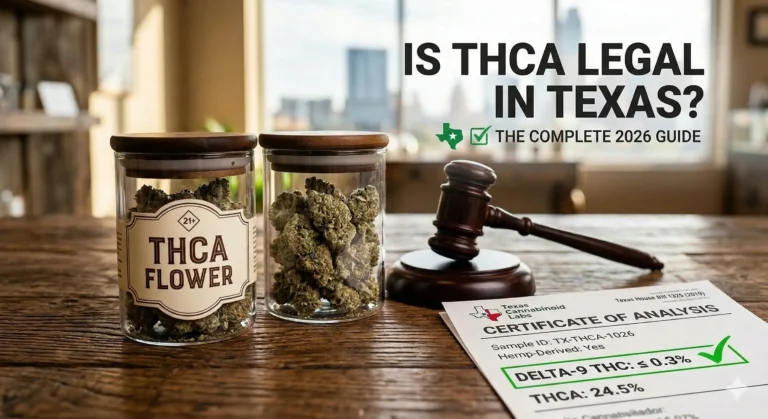
The legality of THCA products varies significantly by state and continues to evolve. Hemp-derived THCA products have been sold in many states where recreational cannabis is not legal, often under the umbrella of the 2018 Farm Bill. However, the DEA and several state governments have pushed back on this interpretation. Always research your specific state’s laws.
What’s the Difference Between Hemp THCA and Cannabis THCA?
Chemically, there is no difference — THCA is THCA regardless of the plant it came from. The distinction is legal and based on the plant’s total THC content. Hemp is defined as cannabis containing less than 0.3% delta-9-THC by dry weight. However, hemp can legally contain high levels of THCA, which is the source of ongoing legal controversy.
Can You Eat THCA Raw?
Yes! Raw THCA can be consumed by juicing fresh cannabis leaves, eating raw flower, or taking THCA-specific supplements. Consuming it in this form will not produce intoxication, and may deliver some of the compound’s reported anti-inflammatory and neuroprotective benefits.
Final Thoughts: THC vs THCA — Two Compounds, One Plant
So, what’s the difference between THC and THCA? In summary: THCA is the raw, non-intoxicating acid form of the cannabinoid that exists in the living cannabis plant. Apply heat — through smoking, vaping, or cooking — and it converts into THC, the psychoactive compound responsible for cannabis’s signature high.
Both compounds have a role to play in the cannabis ecosystem. THC delivers the well-known recreational and therapeutic effects that millions of people seek. THCA, meanwhile, is emerging as a compound of real interest for its potential wellness applications — particularly for those who want the benefits of cannabis without the high.
Understanding the THCA vs THC distinction doesn’t just make you a more informed consumer — it helps you make smarter, safer choices about the products you use, the dosages you try, and the legal landscape you navigate. Whether you’re shopping at a licensed dispensary or exploring hemp-derived products, knowing the difference is half the battle.
| ✅ Ready to Learn More? Explore our full cannabis education library to deepen your knowledge of cannabinoids, terpenes, and how to choose the right products for your needs. |
|---|