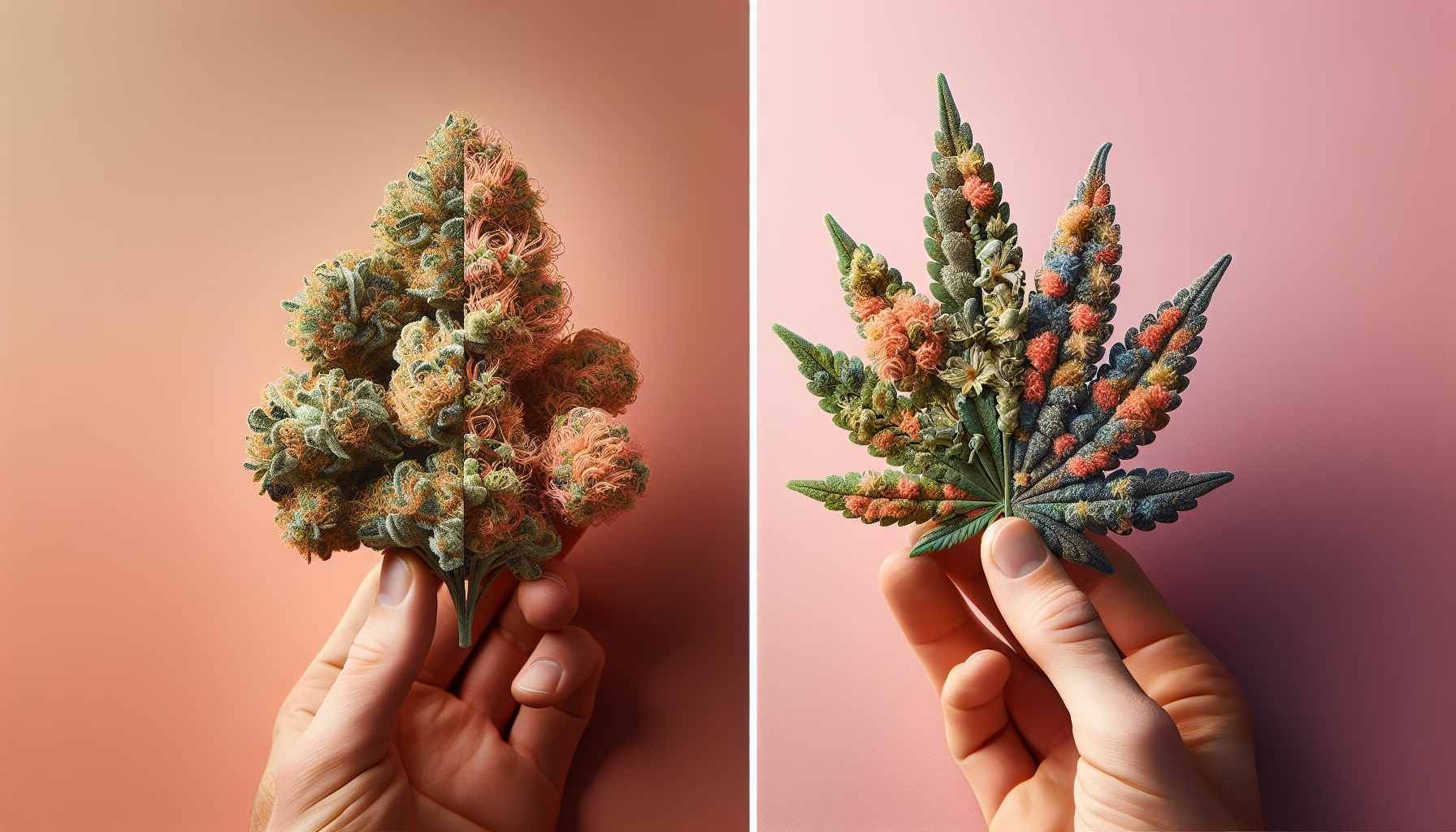
The cannabinoid landscape is evolving rapidly, leading to a need for comprehensive comparisons between various compounds. In this article, we will delve into the differences between THCA vs Delta 10, two intriguing hemp-derived cannabinoids. THCA, or tetrahydrocannabinolic acid, is often noted for its potential therapeutic benefits without the psychoactive effects associated with THC. Delta 10, on the other hand, is a sativa-like cannabinoid that offers more energetic effects. Understanding these differences can help consumers make informed decisions about which product best fits their needs. For further reading on cannabinoids, check out this research from NCBI.
What is THCA?
THCA, or tetrahydrocannabinolic acid, is the non-psychoactive precursor to THC. Found in raw cannabis, THCA is abundant in living plants and is believed to have several medicinal properties. Unlike THC, THCA does not cause the euphoric high typically associated with cannabis. Instead, it is often noted for its potential anti-inflammatory, neuroprotective, and antiemetic properties. Some consumers seek THCA products for their therapeutic benefits without the intoxicating effects of THC. As a result, THCA has gained popularity among those looking for holistic alternatives.
What is Delta 10?
Delta 10 is a lesser-known cannabinoid that has recently entered the market. Often described as an energetic, sativa-like compound, Delta 10 is derived from hemp and can be seen as an alternative to Delta 9 THC. Users report a more uplifting and focus-enhancing experience with Delta 10, making it an attractive choice for daytime use. Healthline notes that Delta 10 can provide a mild psychoactive effect, resembling that of sativa strains, which appeals to those looking for a creative boost without the heaviness of traditional THC. Its unique properties differentiate it from THCA and other cannabinoids.
Legal Differences
When it comes to legal considerations, both THCA and Delta 10 fall into a complex regulatory environment. Currently, THCA is legal in many jurisdictions as long as it is derived from hemp and contains less than 0.3% Delta 9 THC. Delta 10, being a hemp-derived cannabinoid, is also legal under the same condition, although state regulations may vary. It is crucial to consult your local laws regarding cannabinoid legality to avoid any potential legal issues. Understanding these differences will help consumers navigate their options more securely.
Potency and Effects Differences
In terms of potency, THCA does not produce the euphoric high associated with THC, making it suitable for those who want to avoid psychoactive effects. Many users appreciate THCA for its therapeutic potential, as it is believed to offer health benefits without intoxication. Delta 10, however, does have psychoactive effects, though significantly milder than Delta 9 THC. Users of Delta 10 often report feelings of euphoria, creativity, and energy. If you’re looking for a potent product that offers energetic effects, Green Crack is an excellent option. Understanding these differences in effects can aid consumers in choosing the right product for their experiences.
Which to Choose and When?
Your choice between THCA and Delta 10 largely depends on your individual needs and desired effects. If you prefer a non-psychoactive option with potential therapeutic benefits, THCA might be the way to go. In contrast, if you’re looking for something that can enhance creativity and elevate your mood, Delta 10 may be the best choice. Consider your daily activities, planned use (for relaxation or productivity), and any specific ailments you want to address. For more guidance, you might explore our THCA vs THC difference blog post to better understand your options.
At-a-Glance Comparison
| Criterion | Thca | Delta 10 |
|---|---|---|
| Legality | Legal under federal law if derived from hemp. | Legal under federal law if derived from hemp. |
| Psychoactivity | Non-psychoactive. | Mildly psychoactive. |
| Extraction Method | Extracted from raw cannabis plants. | Derived from hemp through isomerization. |
| Shelf Life | Shorter due to degradation over time. | Relatively longer shelf life if stored properly. |
| Average Price Per Gram | $15-$25. | $10-$20. |
| Best For | Therapeutic use without intoxication. | Creative boosts and daytime use. |
Our Recommended Products
If you’re interested in exploring THCA, consider our 1 Pound THCA Flower – Dosilato Big or the 1 Pound THCA Flower – Green Crack Big for high-quality options.
Frequently Asked Questions
Is THCA safe to use?
Yes, THCA is considered safe and non-psychoactive.
How does Delta 10 make you feel?
Delta 10 typically provides uplifting and energetic effects.
Can you get high from THCA?
No, THCA does not produce a high.
Which is better for anxiety, THCA or Delta 10?
THCA may be better due to its non-psychoactive nature.
What is the best time to use Delta 10?
Delta 10 is best used during the day for its energetic effects.
In summary, the choice between THCA vs Delta 10 boils down to your individual preferences and desired effects. Whether you’re seeking therapeutic benefits or recreational uplift, both cannabinoids offer unique experiences worth exploring.