
Marijuana Reclassified: What the Move from Schedule I to Schedule III Means for Cannabis and the THCA Industry
Published: April 27, 2026 | Category: Cannabis Industry News, THCA Compliance, Federal Policy
Keywords: marijuana reclassification, Schedule I to Schedule III, cannabis federal policy 2026, DEA marijuana rescheduling, THCA flower legal, hemp-derived THCA, cannabis industry news, marijuana Schedule III, bulk THCA wholesale, cannabis reclassification impact
On April 23, 2026, the United States Department of Justice made history. Acting Attorney General Todd Blanche signed an order immediately reclassifying state-licensed medical marijuana and FDA-approved cannabis products from Schedule I to Schedule III of the Controlled Substances Act — the most significant federal cannabis policy shift since marijuana was first placed in Schedule I back in 1970. For cannabis businesses, patients, researchers, and hemp operators nationwide, this moment changes everything.
But what does it actually mean? And how does it affect the fast-growing THCA flower market? Let’s break it down.
What Is Drug Scheduling, and Why Did It Matter So Much?
The Controlled Substances Act (CSA) classifies drugs into five schedules based on their medical use and abuse potential. Schedule I — where marijuana has sat since 1970 alongside heroin and LSD — designates substances as having no accepted medical use and a high potential for abuse. That single designation created five decades of federal prohibition, research barriers, banking restrictions, and punishing tax treatment for cannabis businesses.
Schedule III is an entirely different world. This tier includes substances like ketamine and Tylenol with codeine — drugs that have recognized medical use and a lower relative potential for abuse. Moving marijuana here acknowledges, at the federal level, something science and millions of patients have known for decades: cannabis has real medical value.
How Did We Get Here? A Timeline of Reclassification
The road to reclassification has been long:
August 2023: The Department of Health and Human Services (HHS) formally recommended that the DEA reschedule marijuana from Schedule I to Schedule III.
May 2024: The DOJ published a Notice of Proposed Rulemaking proposing the move to Schedule III.
August 2024: The DEA announced it would hold a formal administrative hearing on the proposal.
January 2025: The scheduled hearing was postponed due to a legal appeal by an involved party.
December 18, 2025: President Trump signed Executive Order 14370, directing the Attorney General to expeditiously complete the rescheduling of marijuana to Schedule III.
April 23, 2026: The DOJ issued its landmark order, immediately placing FDA-approved marijuana products and state-licensed medical marijuana products into Schedule III.
June 29, 2026: A new DEA administrative hearing is scheduled to evaluate the broader, permanent rescheduling of all marijuana — not just medical.
This is a massive development. But it’s important to understand what the current order does and does not do.
What the Schedule III Order Actually Covers
The April 23, 2026 order is historic — but it is targeted, not blanket. Here is exactly what moved to Schedule III:
FDA-approved marijuana drug products (like Epidiolex and Marinol)
Marijuana subject to a qualifying state-issued medical marijuana license
What is NOT included in this order:
Recreational marijuana (even in states where it is legal)
Unlicensed cannabis activity
Bulk marijuana not tied to an FDA-approved product or state medical license
Synthetically derived THC
The makes clear that a broader hearing beginning June 29, 2026 will determine whether all marijuana moves permanently to Schedule III. That process is still unfolding. DOJ’s official announcement
What Does This Mean for Cannabis Research?
One of the most transformative immediate effects is on scientific research. For decades, Schedule I classification created enormous bureaucratic barriers for researchers who wanted to study cannabis. DEA registration requirements were lengthy and expensive, making peer-reviewed, federally funded cannabis research extremely rare.
Schedule III status opens the floodgates:
Less burdensome DEA registration for researchers studying marijuana
Expanded funding pathways through federal agencies like the NIH
More clinical trials into cannabis’s safety, efficacy, and therapeutic applications
Better physician education and prescribing data for medical marijuana states
As, the executive order’s own fact sheet states that rescheduling “will vastly improve research on safety and efficacy.” This is a win for science, patients, and ultimately the entire cannabis industry. Congress.gov’s legal analysis notes
The 280E Tax Relief: A Game-Changer for Cannabis Businesses
If there is one practical consequence of reclassification that the cannabis industry has been waiting for, it is the potential end of Section 280E of the Internal Revenue Code.
Section 280E prohibits businesses involved in the “trafficking” of Schedule I or Schedule II substances from deducting ordinary business expenses on their federal taxes. This has meant cannabis companies — even fully licensed, state-legal operations — have been paying federal taxes on gross revenue, not net profit. Effective tax rates for cannabis companies under 280E have reportedly reached 70% or higher.
With marijuana now in Schedule III for licensed medical operators, those businesses may no longer be subject to 280E — potentially slashing their tax burden dramatically and freeing up capital for expansion, hiring, and compliance infrastructure. The full tax picture is still evolving, and the, so cannabis businesses should consult their tax advisors. But the trajectory is clear. IRS has not yet issued transitional guidance for 2026
What About Hemp-Derived THCA Flower?
This is the question most relevant to our customers at, and it deserves a direct answer. Bulk THCA Supply
Hemp-derived THCA flower is a distinct legal category from marijuana. Under the 2018 Farm Bill, cannabis plants and derivatives with ≤0.3% Delta-9 THC on a dry weight basis are classified as hemp — not marijuana — and are federally legal. Hemp is not a controlled substance under the CSA. The Schedule I-to-III reclassification applies to marijuana as defined under the CSA, not hemp.
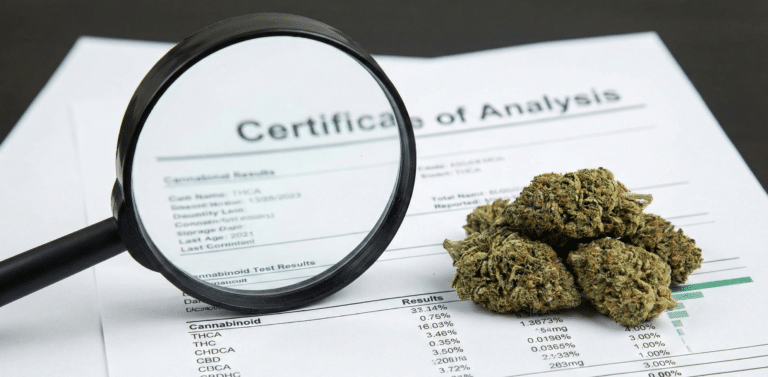
Our is sourced from federally compliant hemp farms and tested by independent third-party laboratories, ensuring Delta-9 THC content stays within legal thresholds. Every pound ships with a verified Certificate of Analysis (COA). This compliance framework is entirely separate from the marijuana rescheduling discussion — our products operate under hemp law, not the Controlled Substances Act. Farm Bill-compliant THCA flower
That said, the reclassification does signal a broader cultural and regulatory shift that benefits the entire cannabis ecosystem, including the hemp and THCA space.
The Bigger Picture: What Reclassification Signals for the Future of Cannabis
Even where the April 23 order’s scope is limited, its symbolic and practical significance cannot be overstated. Here is what it signals for the cannabis industry going forward:
1. Federal Acknowledgment of Medical Value
For over 50 years, the federal government’s official position was that marijuana had zero accepted medical use. Schedule III definitively reverses that. This is a cultural and legal landmark with cascading effects on how courts, regulators, insurers, and employers approach cannabis.
2. A Clear Path Toward Broader Reform
The June 29, 2026 DEA hearing will evaluate permanent, comprehensive rescheduling of all marijuana — not just medical. That hearing represents the clearest pathway yet to a federal framework that could eventually align with the reality on the ground in the 38+ states that have legalized cannabis in some form.
3. Banking Access May Improve
Cannabis businesses have long been locked out of mainstream banking because federally chartered institutions are reluctant to serve Schedule I drug traffickers. Rescheduling could encourage federal banking regulators to clarify guidance, making it easier for cannabis businesses to access loans, merchant processing, and standard financial services.
4. Permissive Signal to State Lawmakers
As Brian Vicente, founding partner of Vicente LLP, noted to CNN, federal acknowledgment of marijuana’s medical value “could serve as a permissive signal to state-level lawmakers currently weighing cannabis legislation.” Several state legislatures with pending cannabis bills could find more political cover to act.
5. Insurance Coverage for Medical Marijuana
Currently, health insurance does not cover medical marijuana because it lacks federal recognition. With Schedule III status establishing a “currently accepted medical use,” medical marijuana companies may find more success lobbying insurance companies for coverage — dramatically expanding patient access.
What Does NOT Change (Yet)
It is equally important to be clear about what reclassification does not immediately change:
Recreational marijuana remains illegal federally. Schedule III does not legalize adult-use cannabis at the federal level.
State marijuana programs are not federally legalized. Recreational dispensaries in Colorado, California, and elsewhere are still technically operating outside federal law.
Drug testing policies are not automatically changed. DOT and other federal workplace drug testing programs continue under existing rules while agencies develop updated guidance.
The final rule is not yet permanent. The June 29, 2026 hearing must be completed and a final rule published before the broader rescheduling is locked in.
Why This Moment Matters for the Wholesale THCA Market
At, we serve smoke shops, dispensaries, and distributors who need consistent, compliant, high-quality bulk THCA flower. The shifting federal landscape is something every buyer in our space needs to watch closely — and it creates real opportunities: Bulk THCA Supply
Increased consumer confidence in cannabis products at every level, including hemp-derived THCA
Expanded retail opportunities as more states move toward cannabis-friendly legislation
Greater demand for premium, lab-tested THCA flower as the overall market grows
Clearer compliance standards as federal agencies develop more coherent hemp and cannabis frameworks
Whether you are stocking for retail, sourcing for infusion products, or exploring, the macro regulatory trend is moving in a direction that benefits compliant, quality-first operators. THCA flower pounds THCA smalls bulk pricing for high-volume distribution
Stay Ahead of the Curve
The cannabis industry is moving faster than ever. The April 23, 2026 reclassification order is not the finish line — it is the starting gun for a new era of federal cannabis policy. The June 29, 2026 DEA hearing could produce the broadest federal marijuana reform in American history. Between now and then, smart buyers and sellers will be watching the regulatory landscape closely and building supply relationships with partners they can trust.
At, we ship Farm Bill-compliant THCA flower pounds nationwide, with same-day shipping, full-panel COAs, and wholesale pricing starting at $250 per pound. As the cannabis landscape evolves, we’ll keep you informed — and keep your shelves stocked. Bulk THCA Supply
Shop Wholesale THCA Flower Pounds → Request Bulk Pricing & Discounts → Learn More About THCA Compliance →
Disclaimer: This blog post is for informational purposes only and does not constitute legal advice. Cannabis and hemp laws vary by state. Always consult with a qualified legal professional regarding your specific compliance obligations.
Related Resources
DOJ Official Press Release — April 23, 2026
Moritz College of Law — Federal Marijuana Rescheduling Tracker
Congress.gov — Legal Consequences of Rescheduling Marijuana
Foley & Lardner — DEA Final Order Analysis