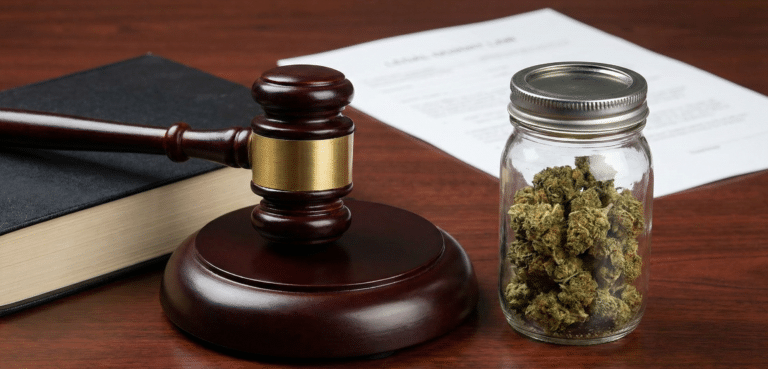
THCA Flower COA's
A Certificate of Analysis is the most important document in the THCA flower wholesale supply chain. It is a third-party lab report that verifies what is actually in the product you are buying — and for any serious wholesale buyer, the ability to read and interpret a COA is a fundamental business skill. This guide walks through every section of a THCA flower COA and what it means for your purchasing decisions.
What a COA Is and Why It Matters
A Certificate of Analysis is a document produced by an independent, ISO-accredited laboratory that has tested a sample of your product. Unlike any marketing claims a supplier makes, a COA reflects actual measured data. It is the foundation of compliance documentation for hemp products and the primary tool buyers use to verify product quality and legality.
For THCA flower wholesale buyers, the COA serves two critical functions: confirming that the product complies with federal hemp law by testing below 0.3% Delta-9 THC on a dry weight basis, and verifying the potency and quality characteristics that determine the product's retail value.
Key Sections of a THCA Flower COA
Sample Information
The top of a COA should identify the sample tested — including the sample name or strain, the lot or batch number, the date the sample was collected, and the date the test was performed. For wholesale buyers, matching the lot number on the COA to the lot number on your actual product is essential. A COA without a matching lot number provides no meaningful compliance assurance.
Cannabinoid Panel
The cannabinoid panel is the core of any THCA flower COA. It lists the measured concentrations of cannabinoids present in the sample. For THCA flower, the most important values are:
THCA — Tetrahydrocannabinolic acid is the primary active compound in your product. It is the raw, unheated form of THC. High-quality wholesale THCA flower typically tests between 15% and 30% THCA. This number directly affects how the product will perform for consumers and how you should position it at retail.
Delta-9 THC — This is the legally critical number for federal hemp compliance. It must test at or below 0.3% on a dry weight basis for the product to qualify as hemp under the 2018 Farm Bill. Any product testing above this threshold is not compliant and should not be purchased or sold.
Total THC — Some COAs report a "Total THC" figure calculated by converting THCA to THC using a standard formula (THCA x 0.877 + Delta-9 THC). This number represents the potential THC content if the product is fully decarboxylated. While not the legal compliance threshold, it is worth understanding as it relates to ongoing regulatory discussions.
CBD, CBG, CBN, CBC — These minor cannabinoids appear on most full-panel COAs. Their presence and concentrations contribute to the overall effect profile of the product through the entourage effect.
Terpene Panel
High-quality COAs include a terpene panel listing the aromatic compounds present in the flower. Terpenes are responsible for the aroma and flavor profile of the strain and contribute significantly to the consumer experience. Common terpenes to look for include myrcene (earthy, relaxing), limonene (citrus, uplifting), caryophyllene (spicy, anti-inflammatory), and pinene (pine, clarifying). A rich and complex terpene profile is generally associated with higher quality flower.
Pesticide and Solvent Screening
A comprehensive COA will include screening for pesticide residues and residual solvents. For flower products, pesticide screening is particularly important. Products should test below established limits for any regulated pesticide compounds. If a COA does not include pesticide screening, ask your supplier specifically whether the product has been tested and request documentation.
Heavy Metals and Microbials
Premium suppliers test for heavy metal contamination (lead, arsenic, mercury, cadmium) and microbial contaminants (salmonella, E. coli, total yeast and mold). These tests are more common in processed hemp products than in raw flower but are increasingly expected by sophisticated buyers. If your market includes any health-conscious retailers, prioritizing suppliers who conduct full-panel testing strengthens your compliance posture.
Red Flags to Watch for in a COA
There are several warning signs that should cause you to scrutinize a COA more carefully or decline to purchase. A test date that is more than six months old raises questions about whether the document reflects current product. A COA from a laboratory you cannot verify as ISO-accredited or state-licensed provides limited assurance. Missing lot or batch numbers make it impossible to verify the document applies to your specific product. And any Delta-9 THC result at or above 0.25% should be reviewed carefully — it is compliant, but it is close to the legal limit and leaves little margin for testing variability.
How to Verify a COA
Most reputable testing laboratories provide online portals where you can verify the authenticity of a COA using a QR code or certificate ID number. Always take the 30 seconds to verify a COA through the issuing lab's portal before relying on it for compliance purposes. A sophisticated supplier will expect and encourage this level of diligence.
Making COA Review Part of Your Standard Process
The most successful wholesale THCA flower buyers treat COA review as a non-negotiable step in every purchasing decision. Before you commit to any batch — regardless of your relationship with the supplier — request the current lot-specific COA, verify it with the issuing lab, confirm Delta-9 THC compliance, and review the potency and terpene data against your retail positioning needs. This process takes minutes and protects both your business and your customers.