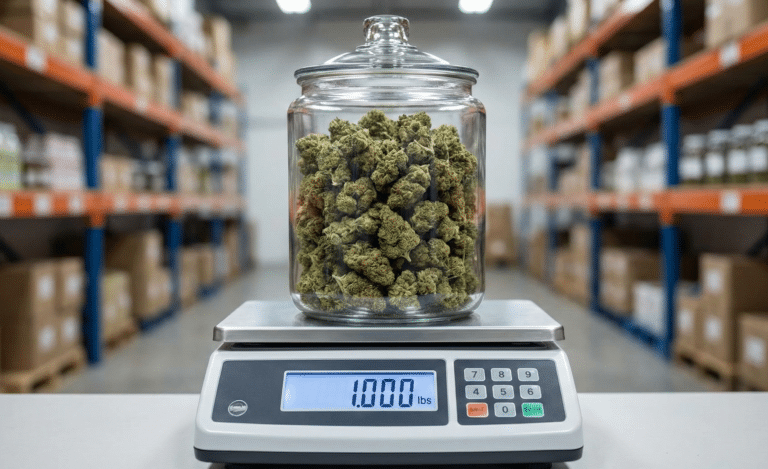
Wholesale THCA Flower Pricing: Key Factors to Consider
One of the first questions every new wholesale THCA flower buyer asks is: what should I be paying per pound? The answer depends on several variables, and understanding them helps you evaluate whether you are getting fair market value — and where there is room to negotiate.
The Main Factors That Drive THCA Flower Wholesale Price
Cultivation Type
As a general rule, indoor-grown THCA flower commands the highest wholesale price per pound, followed by greenhouse and light deprivation product, with outdoor flower at the lowest price point. This tiering reflects the cost of production — indoor grows have higher electricity, labor, and facility costs than greenhouse or outdoor operations — and the quality differences that result from those investments.
Buyers should expect to pay a meaningful premium for top-shelf indoor flower and should understand that premium reflects both quality and production cost, not just supplier margin.
THCA Potency
Higher THCA percentages generally command higher prices at wholesale, all else being equal. Flower testing at 28% THCA will typically be priced above otherwise comparable flower at 18% THCA because it delivers a stronger consumer experience and supports higher retail pricing. However, potency alone is not the only quality indicator, and buyers should not overpay for high THCA numbers if other quality factors — terpene profile, cure, trim — do not support the premium.
Strain and Market Demand
Popular strains with strong consumer name recognition command price premiums. Strains like Jealousy, Runtz, Gelato, and Wedding Cake consistently trade at higher prices than generic or less-recognized varieties because retailers know they sell. Less-established strains, even at comparable quality, often carry lower price tags because they require more merchandising effort at the retail level.
Volume Purchased
THCA flower wholesale pricing is typically structured with volume breaks — the more pounds you purchase, the lower your cost per pound. Buyers committing to five pounds, ten pounds, or full-pound case quantities generally access better pricing than those buying single-pound minimums. If you have confidence in a strain based on previous purchases, increasing your order volume is one of the most direct ways to improve your margin.
Cure and Trim Quality
Well-cured, tightly trimmed flower costs more to produce than product that is rushed through the post-harvest process or left with excess leaf material. Suppliers who invest in proper cure and quality trim pass some of that cost through in their pricing. This premium is generally worth paying — product that looks and smokes well sells faster and at higher retail prices than product that does not.
Supply and Seasonality
Like any agricultural commodity, THCA flower pricing fluctuates with supply and demand. Harvest season typically brings increased supply and some downward pressure on prices. Off-season supply constraints can push prices higher, particularly for specific strains. Buyers who plan their purchasing to take advantage of post-harvest pricing and build appropriate inventory buffers often achieve meaningfully better annual cost structures.
What Fair Market Pricing Looks Like
Wholesale THCA flower pricing varies based on all of the factors above, and the market is dynamic. As a general orientation, outdoor and lower-tier product trades at the lowest price points, mid-tier greenhouse and light dep product occupies the middle range, and premium indoor flower commands the highest per-pound prices. The spread between tiers can be significant, and the right tier for your business depends on your retail positioning and margin requirements.
The best way to develop a strong sense of fair market pricing is to request quotes from multiple suppliers across each tier and compare them on a consistent basis. Market familiarity develops quickly with regular engagement.
Hidden Costs to Factor Into Your True Cost Per Pound
The pound price quoted by a supplier is not necessarily your all-in cost. Shipping fees for heavier shipments can be meaningful, particularly for buyers in markets far from major production regions. Packaging materials for products you will break down and retail add cost. Any state or local licensing fees associated with selling hemp products in your market factor into your total cost of goods.
Building a complete cost model — wholesale price per pound, plus freight, plus packaging, minus expected retail revenue per unit — is the only reliable way to evaluate whether a purchasing opportunity genuinely serves your margin goals.
Negotiating with THCA Flower Wholesale Suppliers
Wholesale pricing is not always fixed, particularly for buyers purchasing meaningful volume. Suppliers value reliable, repeat buyers who pay on time and provide consistent demand. If you have established a track record with a supplier, it is entirely reasonable to discuss volume-based pricing, loyalty incentives, or priority access to new strains before they reach the general market.
Approach these conversations professionally, come prepared with your purchasing history, and be clear about what you are looking for. The best supplier relationships are built on mutual benefit, and a supplier who understands your business goals will generally work to support them.